

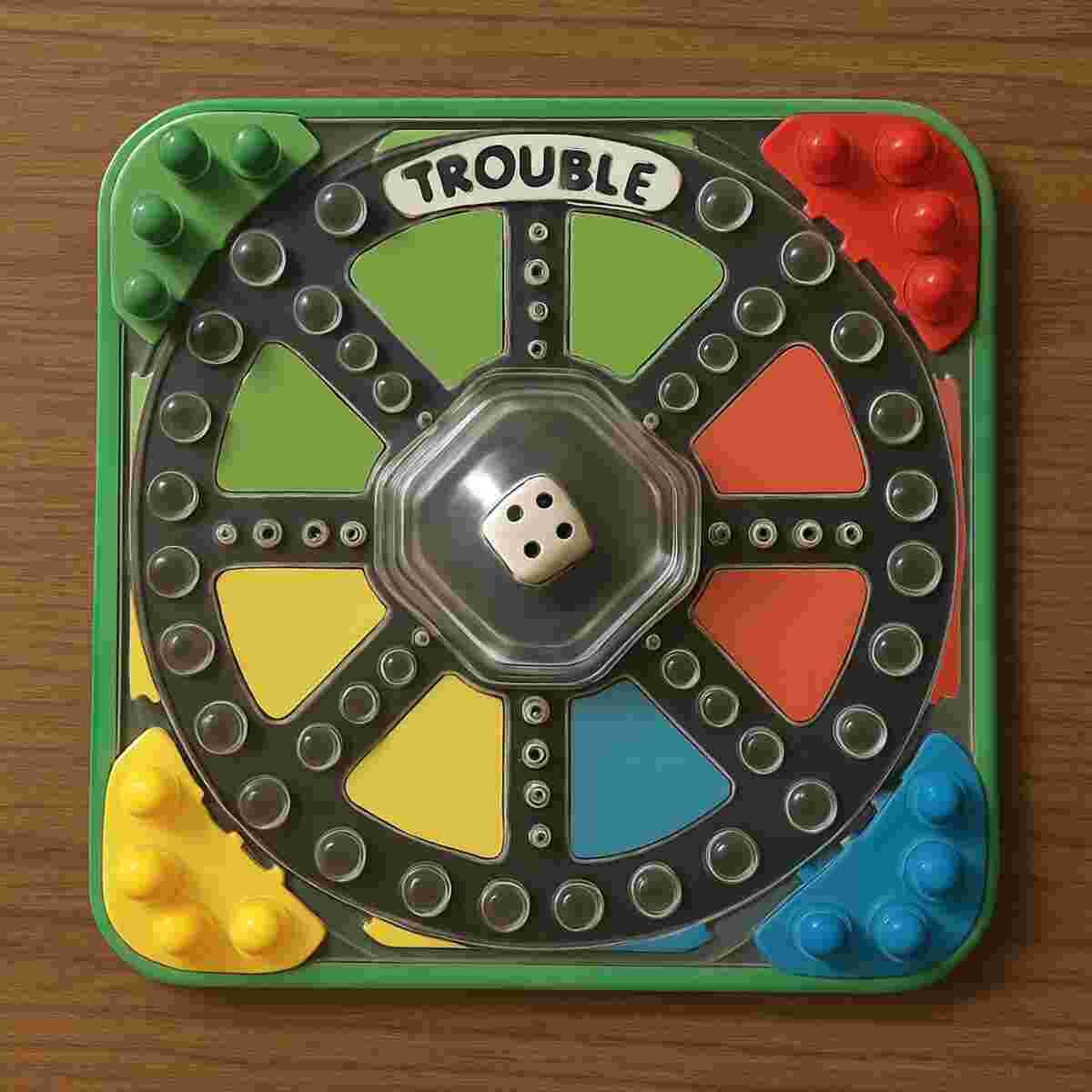

Hey there, game enthusiasts! If you’re looking to dive into a fun, family-friendly board game, the Trouble game is a classic choice. It’s a fantastic way to enjoy some quality time with friends or family, while engaging in a bit of friendly competition. Whether you’re a seasoned player or a newbie, this guide will walk you through the rules of playing the Trouble game in an easy-to-understand manner. So, let’s pop that die and get started! To find more, check on akongcuan
Before we jump into the rules, let’s take a quick look at what the Trouble game is all about. Trouble is a fast-paced, race-style board game that can be played by 2 to 4 players. The main goal is simple: be the first to get all your pegs around the board and into your home space. The game is known for its distinctive Pop-O-Matic die roller, which adds an element of chance and excitement to each turn.
The Origin and Popularity
Trouble was first introduced in the United States in the 1960s and quickly became a household favorite. Its simplicity and engaging mechanics make it accessible to all age groups. The game has maintained its popularity over the decades, thanks to its unique combination of luck and strategy. Many families have passed down the tradition of playing Trouble from generation to generation, making it a timeless classic.
The Objective of the Game
The primary objective in Trouble is straightforward—be the first player to move all four of your pegs from the start area around the board to your home space. While the concept is simple, achieving this goal requires strategic planning and a bit of luck. The excitement comes from the unpredictability of the die roll and the interactions with other players’ pegs on the board. This mix of strategy and chance keeps players engaged throughout the game.
The Unique Pop-O-Matic Die Roller
One of the most distinctive features of Trouble is the Pop-O-Matic die roller. This innovative mechanism eliminates the need for traditional dice, preventing them from rolling off the table or getting lost. The Pop-O-Matic adds an element of surprise and anticipation to each turn, as players eagerly await the outcome of their die roll. This simple yet effective feature enhances the overall gaming experience, making each round of Trouble exciting and unpredictable.
Setting Up the Trouble Game
Setting up the Trouble board game is a breeze. Here’s how to do it:
- Unfold the Game Board: Start by laying out the game board on a flat surface. You’ll notice a circular path with spaces for each player’s pegs.
- Choose Your Color: Each player selects a set of colored pegs. The choices are typically red, blue, green, or yellow. Place your pegs in the matching color start area on the board.
- Position the Pop-O-Matic Die Roller: Make sure the Pop-O-Matic is in the center of the board. This is where the magic happens!
- Decide Who Goes First: To determine who goes first, each player pops the die. The player who rolls the highest number starts the game.
Unfolding the Game Board
Begin by selecting a spacious, flat surface to lay out the Trouble game board. This ensures that all players have easy access to the board and can comfortably reach their pegs. The board features a distinctive circular path, which is crucial for the movement of pegs during gameplay. Ensuring the board is flat and stable helps avoid any disruptions during the game, keeping the focus on the fun and competition.
Selecting Your Color
Each player chooses a set of colored pegs, typically available in red, blue, green, or yellow. This choice is not just about preference; it represents your identity in the game. Placing your pegs in the corresponding start area signifies the beginning of your journey around the board. This step adds a personal touch to the game, as players often become attached to their chosen color, cheering for their pegs as they progress.
Positioning the Pop-O-Matic Die Roller
The Pop-O-Matic die roller is the heart of the Trouble game, and its placement is crucial. Ensure it is securely positioned in the center of the board, allowing all players equal access. This central placement makes it easy for players to take turns popping the die, maintaining the game’s flow. The Pop-O-Matic not only adds excitement to each turn but also serves as a focal point, bringing players together around the board.
Deciding Who Goes First
To determine the starting player, each participant pops the die once. The player who rolls the highest number begins the game, setting the stage for the competition. This initial roll is a simple yet effective way to kick off the game, introducing an element of chance right from the start. It also sets the tone for the rest of the game, as players anticipate their turn and strategize their first moves.
Understanding the Game Board
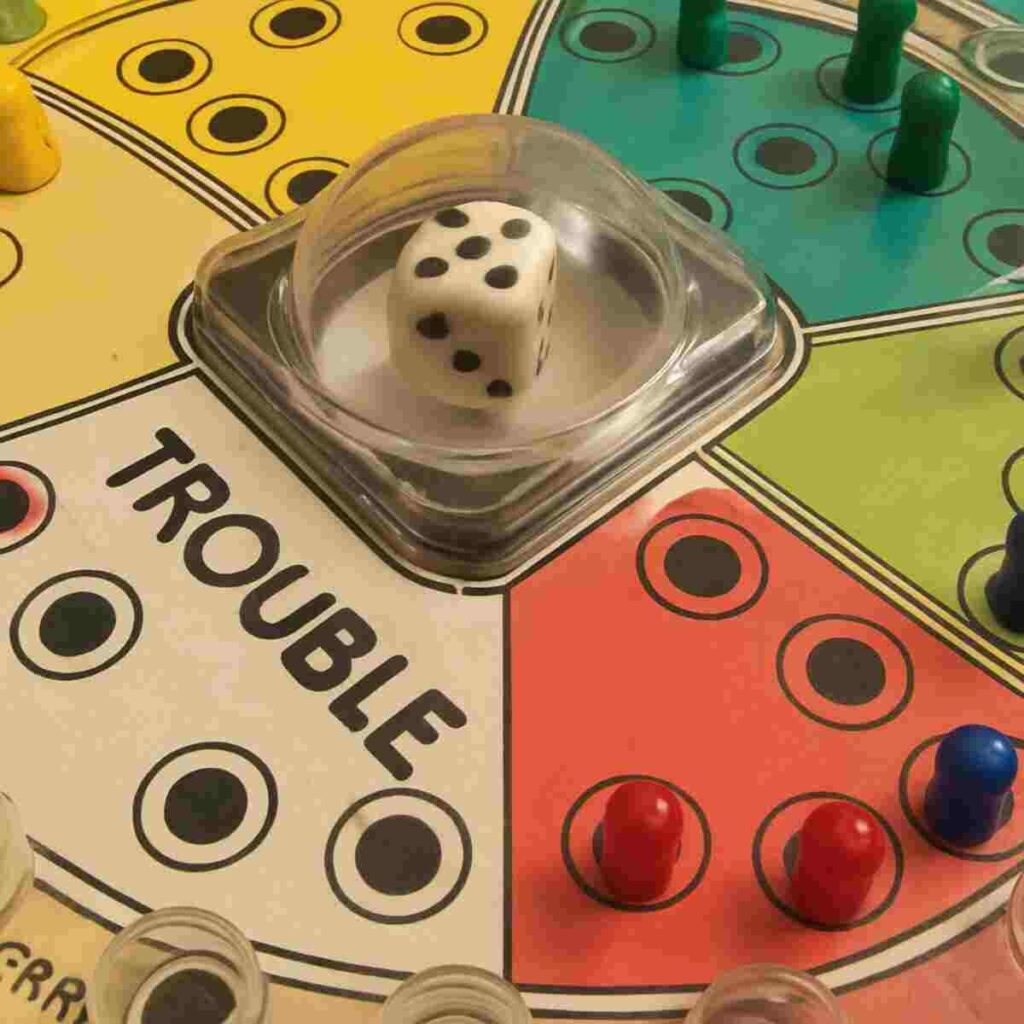
The Trouble game board is designed for straightforward play. Let’s break it down:
- Start Area: Each player begins with four pegs in their designated start area.
- Home Area: The objective is to move all your pegs from the start area, around the board, and into the home area.
- The Path: The board features a circular path with spaces for your pegs to move along.
- Safe Zones: Some spaces on the board are marked as “safe zones,” where your pegs cannot be captured by opponents.
The Start Area
The start area is where each player’s journey begins. All four pegs are initially placed here, waiting for the right roll to enter the board. This area represents the starting line in the race towards the home space. Players must roll a six to move their pegs out of the start area, making this space a crucial part of the game’s strategy. The anticipation of rolling a six adds excitement and suspense to each turn.
The Home Area
The home area is the final destination for each player’s pegs. Successfully moving all your pegs into this space means you’ve won the game. This area is strategically positioned at the end of the board’s circular path, symbolizing the finish line in the race. The journey to the home area requires careful planning and a bit of luck, as players must navigate the board while avoiding opponents’ pegs. Reaching the home area is a satisfying achievement, marking the culmination of your strategic efforts.
The Circular Path
The circular path on the Trouble board is where most of the action takes place. Pegs move along this path based on the number rolled on the Pop-O-Matic die. The path consists of a series of spaces, each representing a step towards the home area. Navigating this path requires strategic thinking, as players must decide which pegs to move and when to make their moves. The circular design ensures that every player’s pegs are constantly in motion, creating dynamic interactions and unexpected twists.
Safe Zones
Safe zones are strategically placed spaces on the board where pegs are protected from being captured by opponents. Landing on a safe zone means your peg is temporarily immune to attacks, allowing you to plan your next move without the threat of being sent back to start. These zones add a layer of strategy to the game, as players can use them to their advantage, especially when nearing the home area. Safe zones offer a brief respite in the race, providing opportunities for strategic positioning and planning.
Basic Rules for Playing Trouble
Now that you know the setup, let’s move on to the fun part—playing the game!
Rolling the Die
Each player takes turns popping the Pop-O-Matic die roller. The number you roll dictates how many spaces you can move your peg. Here’s what you need to remember:
- Rolling a Six: If you roll a six, you get an extra turn! Plus, you can move a peg out from your start area onto the board. If you don’t have any pegs in the start area, you can move one of your pegs already on the board.
- Rolling a Different Number: Move one of your pegs already on the board the number of spaces indicated by the die.
Moving Around the Board
- Exiting the Start Area: To move a peg out of the start area, you must roll a six. Once a peg is on the board, it can continue moving forward with each roll of the die.
- Capturing Opponent’s Peg: If you land on a space occupied by an opponent’s peg, you send that peg back to their start area. They’ll need to roll a six again to bring it back into play.
- Safe Zones: Landing on a safe zone means your peg is protected from being sent back to start by opponents.
Winning the Game
The first player to successfully move all four of their pegs around the board and into their home area wins the game. It’s a race to the finish, with plenty of twists and turns along the way!
Rolling the Die: The Key to Movement
The Pop-O-Matic die roller determines the pace of the game, and rolling the die is a player’s main action each turn. The anticipation of the die roll adds excitement and suspense, as each number dictates your next move. Rolling a six is particularly thrilling, as it grants you an extra turn and the chance to move a peg out of the start area. This element of chance keeps the game dynamic, as players must adapt to each roll’s outcome and strategize accordingly.
Moving Around the Board: Strategy and Chance
Once a peg is on the board, players must decide how best to navigate the circular path. The decision of which peg to move can significantly impact your strategy, especially when approaching opponents’ pegs or safe zones. Capturing an opponent’s peg by landing on their space adds a competitive edge, as it can delay their progress and give you an advantage. Balancing offensive and defensive moves is crucial to success, as players must weigh the risks and rewards of each decision.
The Importance of Safe Zones
Safe zones play a strategic role in Trouble, offering temporary protection for your pegs. These spaces allow players to regroup and plan their next move without the immediate threat of capture. Utilizing safe zones effectively can provide a tactical edge, especially when close to the home area. These zones add depth to the game, encouraging players to think ahead and position their pegs wisely. Mastering the use of safe zones can be the difference between victory and defeat.
Tips for Playing Trouble
Here are some tips to enhance your Trouble game experience:
- Strategize with Sixes: Use the opportunity of rolling a six wisely. It’s your chance to either advance a peg or bring a new one into play.
- Watch Your Opponents: Keep an eye on your opponents’ pegs and plan your moves to avoid being captured.
- Safe Zone Strategy: Use safe zones to your advantage, especially when you’re close to getting a peg home.
- Stay Flexible: Sometimes, plans change based on dice rolls. Stay adaptable and adjust your strategy as needed.
Making the Most of Sixes
Rolling a six is a pivotal moment in Trouble, offering a chance to advance your strategy. Decide whether to move a peg out of the start area or to advance a peg already on the board. This decision can be game-changing, as it influences your positioning and progress. Consider the board’s current state and your opponents’ positions when making this choice, as a well-timed move can disrupt their plans and propel you toward victory.
Observing Opponents’ Moves
Keeping an eye on your opponents is crucial to success in Trouble. Monitor their progress and anticipate their moves to avoid potential captures. Understanding their strategies can help you plan your own moves more effectively. This awareness allows you to position your pegs advantageously, increasing your chances of reaching the home area first. By staying vigilant, you can seize opportunities to capture opponents’ pegs and gain the upper hand.
Utilizing Safe Zones Strategically
Safe zones offer temporary reprieve from the threat of capture, making them valuable assets in your strategy. Use these zones to protect your pegs when nearing critical points on the board, such as the home area. Positioning your pegs in safe zones can also serve as a defensive tactic, forcing opponents to reconsider their moves. By leveraging safe zones effectively, you can enhance your chances of success and maintain momentum in the race to the finish.
Adapting to Changing Circumstances
Flexibility is key in Trouble, as the game’s outcome can change with each die roll. Be prepared to adjust your strategy based on the current board state and your opponents’ actions. Embrace the unpredictability of the game and remain open to new opportunities as they arise. This adaptability allows you to navigate challenges and setbacks, ensuring you stay competitive throughout the game. A flexible approach keeps the game exciting and engaging, as players must continuously adapt to the evolving dynamics.
Variations of Trouble
There are a few exciting variations of the Trouble game that you can try:
- Team Play: Partner up with another player and work together to get both sets of pegs home. This adds a cooperative element to the game.
- Speed Round: Play a quick version where only two pegs need to make it home to win. This is perfect for when you’re short on time.
- Rule Modifications: Create house rules to spice things up. For example, introduce a rule where rolling three sixes in a row means you lose a turn.
Team Play: Cooperative Strategy
Team play introduces a cooperative element to Trouble, as players partner up to achieve a shared goal. This variation encourages communication and collaboration, as teammates strategize to move both sets of pegs home. Working together adds a new layer of strategy, as players must coordinate their moves and support each other. Team play fosters a sense of camaraderie and teamwork, making it an excellent choice for family game nights or group gatherings.
Speed Round: Quick and Exciting
The speed round variation offers a fast-paced alternative for those with limited time. In this version, players only need to get two pegs home to win, significantly shortening the game. This quick format maintains the excitement and competitiveness of Trouble while allowing for multiple rounds in a single session. Speed rounds are perfect for impromptu games or when you want to introduce new players to Trouble without committing to a full-length game.
Customizing with Rule Modifications
Introducing house rules can add a personal touch to your Trouble games, allowing you to tailor the experience to your preferences. Consider implementing fun modifications, such as a rule where rolling three sixes in a row results in a lost turn. These variations keep the game fresh and exciting, encouraging creativity and experimentation. Customizing the rules also allows players to address specific preferences or challenges, ensuring an enjoyable experience for everyone involved.
Final Thoughts
The Trouble game is a delightful mix of luck and strategy that provides endless entertainment for players of all ages. Whether you’re playing with family, friends, or new acquaintances, the game’s simple rules and engaging mechanics make it a timeless classic.
So, gather your pegs, pop that die, and let the Trouble begin! With these rules and tips under your belt, you’re all set to enjoy countless rounds of fun and laughter. Enjoy the game, and may the luck of the Pop-O-Matic be with you!
The Appeal of Trouble
Trouble’s enduring appeal lies in its perfect balance of simplicity and challenge. The game’s easy-to-learn rules make it accessible to players of all skill levels, while its strategic depth keeps experienced players engaged. The combination of luck and strategy ensures that each game is unique, offering new challenges and opportunities with every play. This versatility makes Trouble a go-to choice for family game nights and gatherings, as it consistently delivers fun and excitement.
Building Bonds Through Gameplay
Playing Trouble is more than just a game; it’s an opportunity to connect with others. The shared experience of navigating the board, strategizing, and celebrating victories fosters a sense of camaraderie among players. This social aspect is one of the reasons Trouble has remained popular for generations, as it brings people together and creates lasting memories. Whether you’re playing with loved ones or new friends, Trouble is a wonderful way to strengthen relationships and enjoy quality time together.
Embracing the Spirit of Play
At its core, Trouble is about embracing the joy of play. The anticipation of the die roll, the thrill of capturing an opponent’s peg, and the satisfaction of reaching the home area all contribute to the game’s excitement. By approaching each game with a spirit of fun and sportsmanship, players can fully enjoy the experience and make the most of their time together. So, gather around the board, let the Pop-O-Matic work its magic, and immerse yourself in the delightful world of Trouble.
