


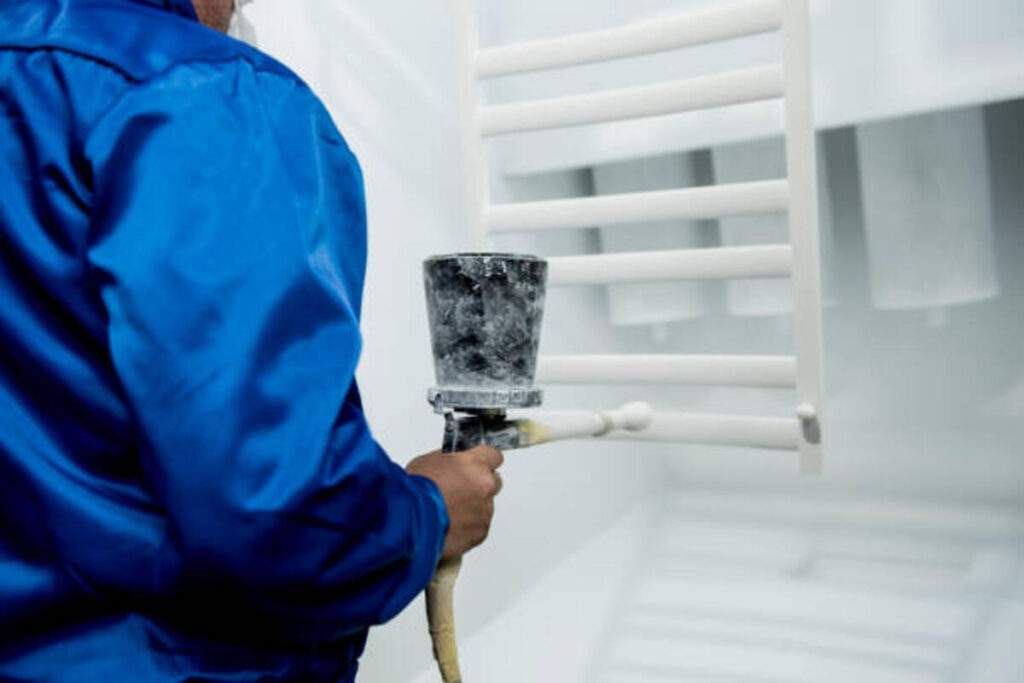
Industrial finishing lines operate under a wide set of safety and engineering requirements that shape how equipment is built and installed. Powder coating ovens, spray booths, and electrical systems must meet recognized standards before entering production environments. Understanding the regulations behind powder coating equipment helps facilities choose systems that operate safely, efficiently, and in compliance with industry guidelines.
NFPA 86 Standards for Ovens and Furnaces
NFPA 86 establishes fire safety requirements for industrial ovens and furnaces used in manufacturing. These standards guide the design of heating systems used in powder curing ovens and other thermal equipment. The rules address airflow monitoring, burner safety controls, fuel shutoff systems, and temperature limit devices that prevent overheating during operation.
Engineers designing an industrial powder coating oven follow NFPA 86 to reduce fire risk inside heated chambers. The standard also outlines purge cycles that remove combustible vapors before burners ignite. Compliance ensures powder coating ovens maintain controlled combustion conditions while protecting workers and equipment from unsafe operating temperatures.
OSHA Occupational Safety and Health Regulations
Workplace safety regulations influence nearly every aspect of powder coating equipment installation. OSHA guidelines focus on protecting employees who operate powder coating systems, especially those working near spray booths, conveyors, and powder coating ovens. Guarding requirements, ventilation standards, and emergency shutoff systems all fall under OSHA oversight.
Another important element involves exposure control for airborne powder particles. Proper exhaust ventilation helps maintain safe breathing conditions inside spray areas. Powder coating equipment packages designed with OSHA safety practices often include interlocked doors, operator access protection, and clear maintenance procedures that support safer production environments.
UL 508A Industrial Control Panel Certification
Electrical control systems must meet recognized safety standards before being installed in industrial facilities. UL 508A certification confirms that control panels inside powder coating equipment follow strict wiring and component requirements. Certified panels protect operators by ensuring electrical circuits are designed with proper grounding, conductor sizing, and enclosure protection.
Control panels manage the functions of powder coating ovens, conveyor drives, and temperature controllers. Certified assemblies reduce the risk of electrical faults that could interrupt production. Facilities reviewing a powder coating oven for sale often verify UL 508A compliance to confirm the equipment’s control system meets accepted industrial safety practices.
ANSI/NFPA 33 Spray Application Safety Codes
ANSI/NFPA 33 addresses the safe application of flammable and combustible materials during spray finishing operations. Although powder coating does not rely on liquid solvents, many safety practices in this standard still apply to powder spray booths and collection systems.
This code focuses on spray booth construction, ventilation airflow, and electrical classification around finishing equipment. Powder coating systems must maintain adequate airflow to prevent powder buildup inside booths. By following these safety codes, spray areas remain cleaner and reduce the chance of dust accumulation that could affect coating quality or facility safety.
NEC National Electrical Code Compliance
Electrical power distribution inside powder coating equipment must comply with the National Electrical Code. NEC guidelines define how wiring, circuit protection, and electrical components should be installed throughout industrial systems.
Important NEC considerations in powder coating equipment include:
• Proper grounding for conveyors and spray equipment
• Electrical protection for heater elements in powder curing ovens
• Correct conduit routing for control wiring
• Separation between power circuits and control circuits
Following NEC standards ensures the electrical system supporting powder coating ovens operates safely and remains serviceable over long production cycles.
EPA National Emission Standards for Air Pollutants
Environmental regulations also affect how powder coating equipment operates. The Environmental Protection Agency sets emission standards that limit pollutants released during industrial finishing processes. While powder coating produces fewer volatile compounds than liquid paint, filtration systems must still capture airborne particles before air leaves the facility.
Dust collectors and cartridge filtration units play an important role in powder coating systems that meet EPA requirements. These systems remove excess powder from exhaust air while allowing reusable material to be reclaimed. Proper emission control supports cleaner manufacturing environments and reduces environmental impact.
ASME Pressure Vessel Construction Standards
Certain heating systems used in powder coating ovens involve pressurized components such as heat exchangers or gas-fired burner assemblies. The American Society of Mechanical Engineers provides construction guidelines for these pressure-containing parts.
ASME standards outline material selection, fabrication procedures, and inspection requirements. Pressure-rated components built under these guidelines improve durability and reduce the likelihood of structural failure under thermal stress. Powder coating equipment designed with ASME compliance often demonstrates greater reliability during long-term industrial use.
FM Global Industrial Property Loss Prevention Data
FM Global publishes technical guidelines that focus on preventing industrial property loss caused by fire, equipment failure, or system hazards. These recommendations often influence how powder coating equipment packages are designed for large manufacturing facilities.
Guidelines frequently address fire suppression around powder coating ovens, safe fuel system installation, and airflow requirements for spray areas. Insurance providers sometimes reference FM Global standards when evaluating industrial finishing lines. Equipment designed with these recommendations helps reduce facility risk while maintaining stable production operations.
Experienced engineering teams that specialize in powder coating equipment design often integrate these regulatory requirements into complete finishing systems. Reliable powder coating systems typically include properly engineered spray booths, efficient powder curing ovens, and electrical controls that follow recognized safety standards. Equipment specialists such as Reliant Finishing Systems assist manufacturers by developing powder coating equipment packages that align with regulatory requirements while supporting dependable industrial finishing operations.