


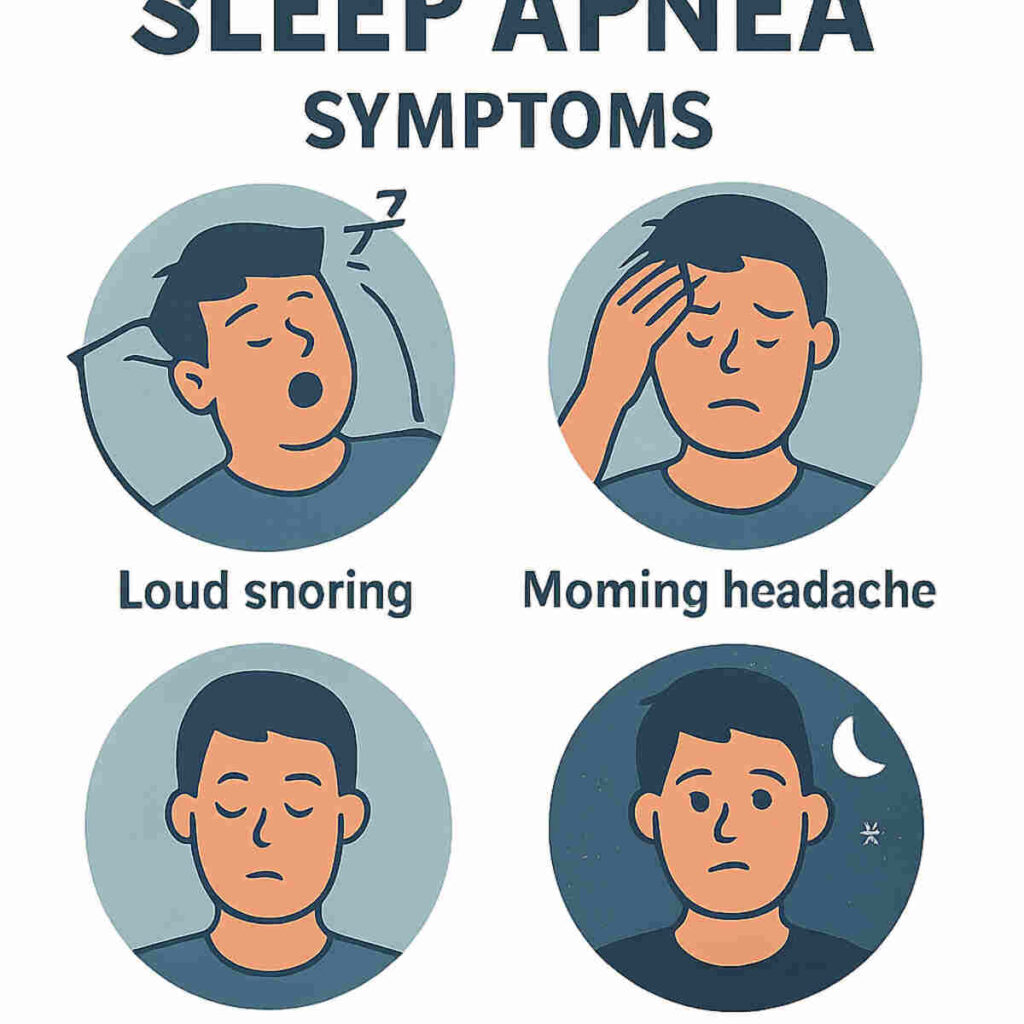
Sleep apnea is a condition characterized by repeated interruptions in breathing during sleep. These interruptions, or apneas, can lead to poor sleep quality and other health issues like hypertension and cardiovascular problems. Recognizing the symptoms, such as loud snoring, gasping for air during sleep, and excessive daytime sleepiness, is crucial for early diagnosis and treatment. Get the Best information about 睡眠呼吸機.
Types of Sleep Apnea
There are three main types of sleep apnea: obstructive, central, and complex. Obstructive sleep apnea, the most common form, occurs when throat muscles relax excessively. Central sleep apnea involves a failure of the brain to send proper signals to the muscles controlling breathing. Complex sleep apnea is a combination of both. Understanding which type you have can help tailor your treatment approach.
Health Implications of Untreated Sleep Apnea
Untreated sleep apnea can lead to serious health problems. It increases the risk of high blood pressure, heart disease, type 2 diabetes, and even stroke. Additionally, the chronic fatigue resulting from poor sleep can affect mental health, leading to conditions like depression and anxiety. Therefore, seeking treatment is crucial for maintaining overall health.
How CPAP Therapy Works
A CPAP machine helps by keeping your airway open with a continuous stream of air, preventing apneas and improving your sleep quality. Understanding how CPAP therapy works is the first step toward successful adjustment. It involves wearing a mask that delivers air pressure, which helps keep the throat muscles from collapsing.
Choosing the Right CPAP Equipment
The right equipment can make a significant difference in your CPAP therapy experience. Here’s what to consider:
CPAP Machine Types
There are various types of CPAP machines, including standard CPAP, BiPAP (Bilevel Positive Airway Pressure), and APAP (Automatic Positive Airway Pressure). Standard CPAP delivers a constant pressure, while BiPAP provides two pressure levels for inhalation and exhalation. APAP adjusts the pressure automatically based on your breathing patterns. Consult your doctor or sleep specialist to determine which type is best for your needs.
Selecting a Comfortable Mask
Masks come in different styles: nasal masks, full-face masks, and nasal pillows. Each has its pros and cons, and comfort varies from person to person. Nasal masks cover the nose and are suitable for those who breathe through their nose. Full-face masks cover the nose and mouth, ideal for mouth breathers. Nasal pillows rest at the nostrils and are less intrusive. Try different styles to find the one that feels most comfortable and fits well.
Proper Fit
An ill-fitting mask can cause air leaks and discomfort, affecting the effectiveness of your therapy. Ensure your mask fits snugly but comfortably. Adjust the straps and consider using mask liners to improve the seal and reduce irritation. It’s important to regularly check the fit, as changes in weight or facial structure can affect it. Regular cleaning and maintenance are also crucial for hygiene and comfort.
Gradually Getting Used to CPAP
Adjusting to CPAP therapy is a process. Here are some tips to help you get used to it:
Start Slowly
Begin by wearing your CPAP mask for short periods while awake. This helps you get accustomed to the sensation of wearing the mask and the airflow. Gradually increase the time until you feel comfortable wearing it throughout the night. Patience is key, as it can take a few weeks to fully adjust.
Create a Relaxing Bedtime Routine
A calming bedtime routine can make it easier to adjust to CPAP therapy. Consider activities like reading, taking a warm bath, or practicing deep-breathing exercises before bed to relax your mind and body. Creating a conducive sleep environment, with a comfortable mattress and cool room temperature, can also aid in the transition.
Use the Ramp Feature
Most CPAP machines have a ramp feature that starts at a lower pressure and gradually increases it as you fall asleep. This can make the initial phase of wearing the mask more comfortable. Familiarize yourself with the machine’s settings to utilize this feature effectively. It can significantly ease the transition, especially for new users.
Troubleshooting Common CPAP Issues
It’s common to encounter some issues while adjusting to CPAP therapy. Here are solutions to a few common problems:
Dry Mouth or Nose
If you experience dryness, consider using a humidifier with your CPAP machine. Some machines have built-in humidifiers, or you can add a standalone unit. Additionally, a saline nasal spray before bed can help keep your nasal passages moist. Staying hydrated throughout the day can also alleviate dryness symptoms.
Skin Irritation
Mask liners or cushions can help reduce skin irritation caused by the mask. Ensure your mask is clean and replace parts like cushions and headgear regularly to maintain hygiene and comfort. Try different mask materials if irritation persists, as some may be more skin-friendly than others. Consulting a dermatologist may provide additional solutions.
Difficulty Exhaling
If exhaling against the pressure is challenging, speak with your doctor. They may adjust your machine’s settings or suggest a different type of machine, like a BiPAP, which offers different pressure levels for inhalation and exhalation. Training yourself to breathe against the pressure during the day can also help ease nighttime use.
Staying Motivated with CPAP Therapy
Adherence to CPAP therapy is crucial for managing sleep apnea effectively. Here are some tips to stay motivated:
Track Your Progress
Keep a sleep diary to monitor improvements in your sleep quality and daytime alertness. Seeing positive changes can motivate you to continue with therapy. Many CPAP machines also offer data tracking features, allowing you to review your progress over time and make necessary adjustments.
Join a Support Group
Connecting with others who use CPAP can provide encouragement and helpful tips. Look for online forums or local support groups to share experiences and advice. Hearing success stories and challenges from others can offer new perspectives and solutions to common problems.
Celebrate Small Wins
Celebrate milestones, like wearing your CPAP for a full night, to maintain a positive attitude toward your therapy. Small victories can boost your confidence and commitment. Rewarding yourself for progress, no matter how small, can reinforce positive habits and make the journey more enjoyable.
When to Seek Professional Help
If you continue to struggle with CPAP therapy despite trying these tips, don’t hesitate to seek professional help. Your doctor or sleep specialist can provide additional guidance, adjust your settings, or explore alternative treatments if necessary. Persistent issues may require a reassessment of your treatment plan.
Signs You Need Additional Support
Look for signs like persistent discomfort, worsening symptoms, or inability to adjust despite efforts. These may indicate that your current approach is not working. A sleep study or further evaluation may be necessary to identify underlying issues or alternative treatments.
Exploring Alternative Treatments
If CPAP therapy is not suitable, there are alternative treatments available. Options like oral appliances, positional therapy, or surgery may be considered. Discuss these with your healthcare provider to determine the best course of action based on your specific needs and condition.
Conclusion
Adjusting to CPAP therapy can take time and patience, but the benefits to your sleep and overall health are worth the effort. By choosing the right equipment, gradually getting used to the therapy, troubleshooting issues, and staying motivated, you can successfully adapt to CPAP therapy and enjoy better sleep quality.
Remember, you’re not alone in this journey. Reach out to healthcare professionals and support groups for assistance and encouragement as you adjust to your new sleep routine. With persistence and the right approach, CPAP therapy can become a comfortable and effective part of your nightly routine. Embrace the process, and prioritize your health and well-being every step of the way.