


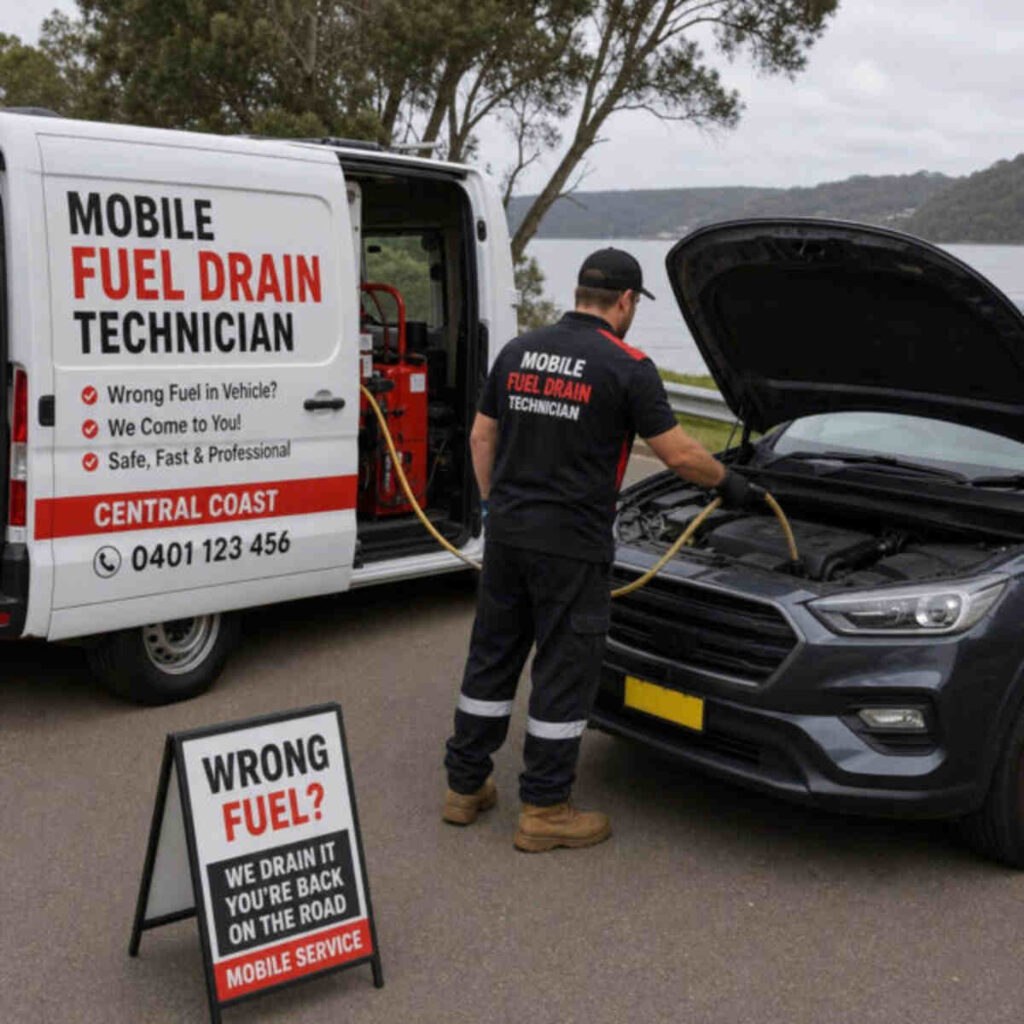
When fuel problems happen, they rarely arrive politely. One minute you are topping up before work, heading home after a long drive, preparing equipment for the day, or starting a boat, generator, truck, or machinery. The next minute, you realise something is wrong: the wrong fuel has gone in, the engine is spluttering, the tank may be contaminated, or the fuel smells old, watery, or dirty. The actual Interesting Info about Fuel Drain Central Coast.
That is when a fast, careful, and locally responsive fuel drain service matters.
Our fuel drain Central Coast support is designed for drivers, fleet operators, marine users, tradies, property owners, and businesses who need practical help without the drama. Whether you are dealing with a misfuelled vehicle, contaminated storage tank, water in fuel, stale diesel, or an urgent need for fuel tank cleaning, the goal is simple: remove the problem fuel safely, reduce the risk of engine damage, and help you get moving again with confidence.
If you need urgent assistance, do not keep starting or driving the vehicle. Stop, stay safe, and request professional help as soon as possible.
Fuel Drain Emergencies Are More Common Than Most People Think
A fuel drain emergency can happen to anyone. It is not just a mistake made by inexperienced drivers. It can happen when you are tired, distracted, rushed, using an unfamiliar vehicle, borrowing a work ute, managing fleet changeovers, filling machinery, or refuelling from a storage tank that has not been checked for some time.
Modern fuel systems are also more sensitive than many people realise. Diesel engines, petrol engines, injectors, pumps, filters, and emissions systems all rely on clean, correct fuel. Even a small amount of the wrong or contaminated fuel can create performance issues, warning lights, hard starting, stalling, or expensive mechanical damage if the problem is ignored.
That is why local, responsive central coast services for fuel draining and tank cleaning are valuable. Instead of guessing, forcing the engine to run, or hoping the problem clears itself, you can have the fuel assessed, drained, handled, and replaced with greater care.
What Counts as a Fuel Drain Emergency?
A fuel drain emergency is any situation where fuel inside a vehicle, vessel, machine, or storage tank needs to be removed quickly or safely because it may cause damage, downtime, safety risks, or contamination.
Common examples include:
- Petrol accidentally added to a diesel vehicle
- Diesel accidentally added to a petrol vehicle
- Water found in diesel or petrol
- Dirt, rust, sludge, or algae inside a fuel tank
- Stale or degraded fuel after long-term storage
- Fuel contamination after heavy rain, flooding, or poor tank sealing
- Machinery filled from an unknown or suspect fuel source
- Marine fuel tanks affected by moisture or biological growth
- Fuel storage tanks needing cleaning before reuse
- Vehicles that will not start after refuelling
- Engines that stall, misfire, surge, or lose power after fuel has been added
Some situations are urgent because the vehicle is blocking access or stranded roadside. Others are urgent because the fuel is inside business-critical equipment. Either way, quick action can limit damage and reduce downtime.
Wrong Fuel in the Tank
Misfuelling is one of the most common reasons people need a fuel drain. It often happens during normal, everyday refuelling. You may be using a different vehicle than usual, travelling in a hurry, or relying on muscle memory at the bowser.
The most common mistake is putting petrol into a diesel tank. Diesel vehicles are often used for utes, vans, four-wheel drives, trucks, machinery, and commercial fleets. Petrol in a diesel system can reduce lubrication, affect pumps and injectors, and create serious engine problems if the vehicle is started or driven.
Diesel in a petrol vehicle can also cause problems. It may lead to poor running, smoke, misfiring, blocked filters, and starting issues. While the mechanical risks differ depending on the engine and amount of wrong fuel added, the safest approach is always to stop and arrange a proper drain.
What to Do If You Put the Wrong Fuel In
If you realise the mistake at the pump, you are already in the best possible position.
Take these steps:
- Do not start the engine.
- Do not turn the ignition on if you can avoid it.
- Move only if it is safe and absolutely necessary.
- Tell the service station staff if your vehicle is blocking a pump.
- Call a professional fuel drain service.
- Wait for proper draining, flushing advice, and safe refuelling guidance.
If you have already driven away, stop as soon as it is safe. Continued driving can circulate contaminated fuel through the system, increasing the chance of damage.
Water in Fuel
Water contamination is another major reason for emergency fuel draining and fuel tank cleaning. Water can enter tanks through condensation, damaged caps, poor seals, flooding, pressure washing near tank openings, contaminated bulk supply, or long-term storage.
Water and fuel do not behave the same way inside a tank. Water can settle at the bottom, where fuel pickups may draw it into the system. Once water reaches filters, pumps, injectors, carburettors, or combustion chambers, it can create starting problems, rough running, corrosion, and internal damage.
Signs of water in fuel may include:
- Engine hesitation or surging
- Hard starting
- Stalling soon after refuelling
- Rough idle
- Reduced power
- White smoke or unusual exhaust behaviour
- Fuel filter warning lights
- Water separator alerts
- Corrosion in fuel components
- A cloudy or separated appearance in fuel samples
For local motorists, boat owners, farms, depots, and commercial sites, moisture can be especially frustrating because it may not be obvious until the equipment fails. This is where professional diagnosis and tank cleaning can make a major difference.
Dirty, Sludgy, or Contaminated Fuel Tanks
Fuel is not always the only problem. Sometimes the tank itself is the source of the emergency.
Over time, tanks can collect sediment, rust, microbial growth, sludge, degraded fuel residue, and water. These contaminants may sit quietly at the bottom until the vehicle turns sharply, the tank level drops, the fuel is agitated, or a machine is restarted after sitting unused.
Once contamination moves through the fuel system, it can clog filters, damage injectors, restrict flow, reduce performance, and create repeated breakdowns.
A quick fuel drain may solve the immediate problem, but if the tank remains dirty, the issue can return. That is why fuel tank cleaning is often recommended when contamination is visible, recurring, or suspected after long-term storage.
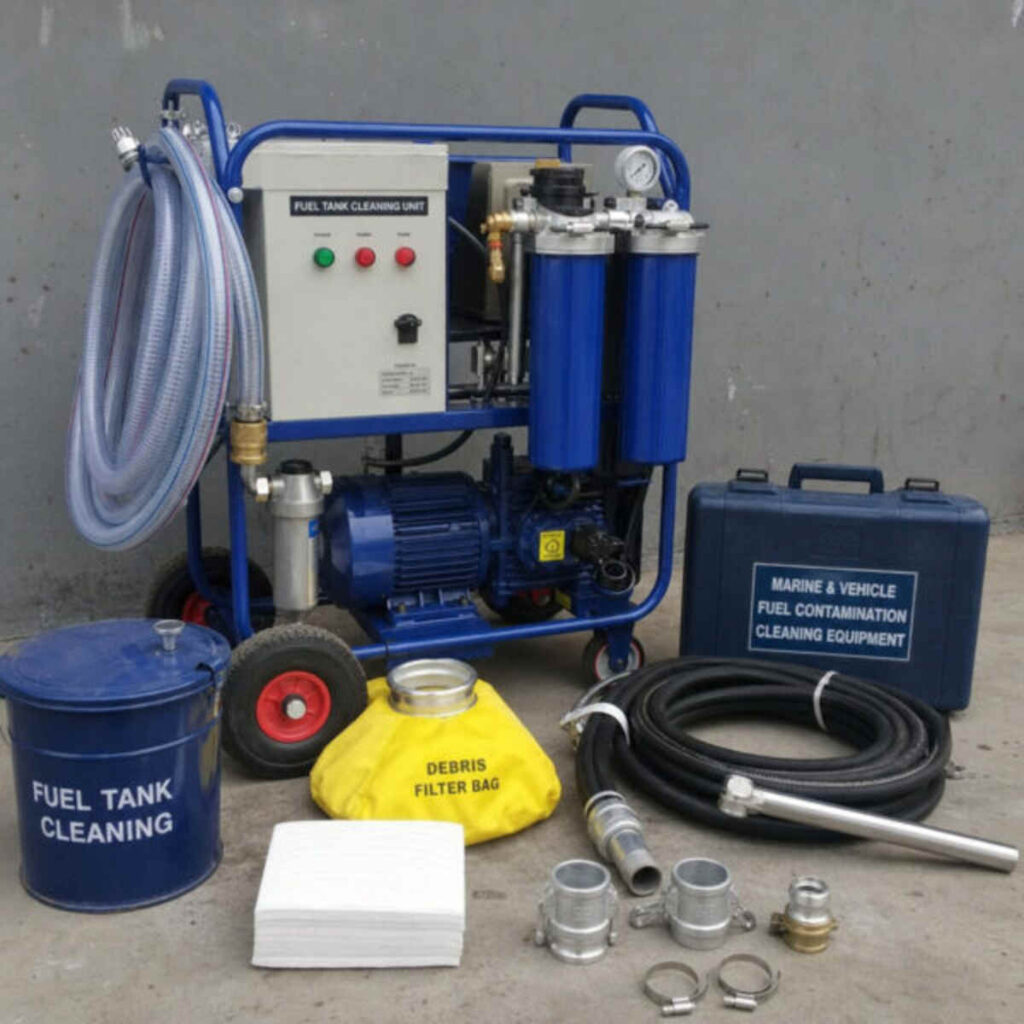
Professional tank cleaning may involve:
- Safe removal of contaminated fuel
- Inspection of fuel condition where possible
- Removal of water, sludge, and residue
- Cleaning of accessible tank surfaces
- Advice on filters, fuel quality, and refilling
- Guidance on preventing future contamination
The exact process depends on the tank type, access points, fuel volume, contamination level, and whether the tank belongs to a car, truck, boat, generator, machinery, or storage system.
Stale Fuel After Long Storage
Fuel does not stay fresh forever. Vehicles, boats, generators, mowers, machinery, and backup equipment that sit unused for months may develop fuel-related issues. Petrol can lose volatility and form gums. Diesel can degrade, collect moisture, or support microbial contamination under the right conditions.
This often becomes obvious when equipment is needed again. A generator may refuse to start during a power outage. A boat may struggle at the ramp. A stored vehicle may crank but not fire. A machine may start briefly and then stall.
Stale fuel problems are especially common in equipment that is used seasonally or stored outdoors. If the fuel smells sour, looks dark, appears cloudy, or has been sitting for an extended period, draining and cleaning may be safer than forcing the system to run.
A local fuel drain provider can remove old fuel, help assess the tank condition, and support a clean restart plan.
Fuel Contamination in Commercial and Fleet Vehicles
For businesses, a fuel drain emergency is not just a mechanical inconvenience. It can affect scheduling, staff productivity, customer commitments, site access, delivery windows, and operating costs.
Fleet vehicles are exposed to several risks:
- Multiple drivers using the same vehicles
- Staff switching between petrol and diesel vehicles
- Refuelling under time pressure
- Use of depot tanks or portable fuel containers
- Vehicles sitting unused between jobs
- Higher fuel volumes and more frequent refuelling
- Limited time for routine checks
When one fleet vehicle has a fuel issue, it is also worth asking whether other vehicles may be affected by the same fuel source. If several vehicles were filled from the same tank or container, a broader inspection may be needed.
Our central coast services are built around practical outcomes: quick response where available, clear communication, safe handling, and sensible recommendations. The aim is to reduce disruption while protecting your vehicles and equipment.
Marine Fuel Problems on the Central Coast
Marine fuel systems face unique contamination risks. Boats often sit unused, operate in wet environments, and rely on tanks that may be harder to inspect. Moisture, condensation, salt air, and long storage periods can all contribute to fuel problems.
Common marine fuel issues include:
- Water in petrol or diesel
- Contaminated underfloor tanks
- Sludge or sediment in older tanks
- Fuel degradation during storage
- Blocked filters after rough water agitates the tank
- Poor engine performance after refuelling
- Microbial growth in diesel tanks
A marine fuel issue can be more than inconvenient. It can become a safety concern if the engine fails away from shore, near a ramp, or in changing weather. If you suspect contaminated marine fuel, it is better to address it before launching or continuing use.
Fuel draining and tank cleaning for marine applications depend on tank access, vessel location, fuel type, and contamination level. A careful, professional approach helps protect both the engine and the surrounding environment.
Machinery, Generators, and Equipment Fuel Drains
Fuel drain emergencies are not limited to cars. Many Central Coast households, farms, workshops, construction operators, landscapers, and commercial sites rely on fuel-powered equipment.
Fuel may need to be drained from:
- Generators
- Excavators
- Loaders
- Tractors
- Mowers
- Pumps
- Compressors
- Forklifts
- Site machinery
- Portable tanks
- Agricultural equipment
- Backup power systems
These machines can be particularly vulnerable when fuel sits for too long, is transferred between containers, or comes from a storage tank with water or sediment at the bottom.
A machine that will not start may seem like an electrical or mechanical issue, but contaminated fuel is often part of the problem. Draining, cleaning, and refilling with clean fuel can be an important first step before further diagnostics.
Why You Should Not Keep Driving With Suspect Fuel
It is tempting to think, “I only drove a short distance,” or “Maybe it will clear itself.” Unfortunately, fuel problems rarely improve when the engine keeps running.
Driving with the wrong or contaminated fuel can:
- Circulate contamination deeper into the fuel system
- Damage fuel pumps and injectors
- Block filters
- Cause misfiring or stalling
- Increase repair complexity
- Leave you stranded in an unsafe location
- Create higher towing or mechanical costs
- Turn a simple drain into a larger repair job
The safest move is to stop as soon as possible and request help. If the engine has not been started, a fuel drain is often more straightforward. If it has been started or driven, the situation may still be manageable, but it needs more careful attention.
Signs You May Need a Fuel Drain
Not every fuel issue is obvious at the pump. Sometimes the first signs appear minutes, hours, or days later.
You may need a fuel drain if you notice:
- The engine started running badly after refuelling
- The vehicle lost power soon after filling up
- The engine stalls or cuts out repeatedly
- There is smoke, knocking, or unusual noise
- Warning lights appear after refuelling
- The vehicle will not start after fuel was added
- The fuel cap, bowser, or receipt shows the wrong fuel type
- The fuel looks cloudy, dark, separated, or dirty
- Filters keep blocking
- Water is visible in a sample or separator
- A storage tank has not been cleaned for a long time
- Multiple vehicles or machines have similar symptoms
If you are not sure, ask before you continue operating the engine. A short conversation can help determine whether you need a drain, tank cleaning, or mechanical inspection.
How Professional Fuel Draining Helps
A professional fuel drain service is not simply a matter of “getting the fuel out.” The job needs to be done safely, cleanly, and with attention to the vehicle or equipment involved.
A typical service may include:
- Assessing the situation and fuel type
- Confirming whether the engine has been started or driven
- Safely accessing the tank where possible
- Removing contaminated or incorrect fuel
- Capturing fuel in suitable containers
- Checking for obvious water, sludge, or sediment
- Advising whether tank cleaning is needed
- Supporting safe refuelling with the correct fuel
- Recommending next steps if mechanical damage is suspected
The service may vary depending on the vehicle design, tank access, location, amount of fuel, and contamination level. Some vehicles have anti-siphon systems or complex fuel layouts, so experience matters.
Why Fuel Tank Cleaning May Be Needed After a Drain
A fuel drain removes fuel, but it may not remove every contaminant inside the tank. If the issue is simple misfuelling and the fuel is otherwise clean, a drain and refill may be enough in many cases. But when water, sludge, dirt, rust, algae, or old fuel residue is involved, fuel tank cleaning may be the smarter option.
Tank cleaning is especially important when:
- Contamination is visible
- Fuel filters are repeatedly blocking
- Water keeps returning
- The tank has been unused for a long period
- The tank is part of a boat, generator, or machinery system
- Fuel was stored in poor conditions
- A bulk tank may have contaminated multiple assets
- The engine has ongoing performance issues after refuelling
Cleaning helps reduce the chance of the same contamination being pulled back through the system after fresh fuel is added.
Local Fuel Drain Support Across the Central Coast
When you search for fuel drain Central Coast, you are usually not looking for a long explanation first. You are looking for someone who understands the issue, can respond clearly, and can help you make the safest next decision.
Local service matters because fuel problems are often time-sensitive. You may be at a service station, at home, at a marina, on a worksite, at a depot, or on the side of the road. A provider familiar with Central Coast conditions, routes, vehicle types, and local business needs can offer more practical support than a distant, generic service.
Our local approach focuses on:
- Fast communication
- Clear instructions before arrival
- Safe fuel removal where service is available
- Practical support for vehicles, equipment, and tanks
- Honest guidance if a mechanic or tow is also needed
- Careful handling of contaminated or incorrect fuel
- Helping reduce downtime for households and businesses
Because fuel problems vary, availability and service scope may depend on your exact location, access, fuel volume, and equipment type. The best next step is to contact the team with your location, fuel type, vehicle or tank details, and what happened.
Petrol in Diesel: Why It Is Urgent
Putting petrol in a diesel tank can be serious because diesel fuel does more than burn. It also helps lubricate parts of the fuel system. Petrol does not provide the same lubrication and can affect diesel pumps and injectors.
The risk increases when:
- The engine is started
- The vehicle is driven
- A large amount of petrol was added
- The tank was low before filling
- The vehicle has a modern common-rail diesel system
- The engine begins knocking, stalling, or losing power
If this happens, do not try to “dilute it” by adding more diesel unless a qualified professional specifically advises that for your situation. In many cases, dilution is not the safest answer. A proper drain is usually the better path.
Diesel in Petrol: Still a Problem
Diesel in a petrol vehicle is sometimes seen as less severe, but it can still create significant issues. Petrol engines require the correct fuel to ignite properly. Diesel can foul spark plugs, clog systems, create smoke, and cause rough or failed starting.
If you realise diesel has gone into a petrol car, stop before starting if possible. If the vehicle has already run, arrange a drain and assessment. Continuing to drive may worsen the problem.
Contaminated Fuel From a Service Station or Storage Source
Sometimes the driver did nothing wrong. The fuel itself may have been contaminated before it entered the tank. This can happen from water ingress, sediment in storage, poor handling, or contamination during transfer.
Possible signs include:
- Problems beginning immediately after refuelling
- Multiple vehicles affected after using the same source
- Fuel that appears cloudy, dark, or separated
- Water found in filters or separators
- Unusual smell or appearance
If you suspect contaminated fuel from a shared source, keep receipts, note the time and location of refuelling, avoid further operation, and seek professional help. If a business tank is involved, it may need inspection and cleaning before more vehicles are filled.
Fuel Storage Tanks Need Maintenance Too
Fuel storage tanks can quietly become the cause of repeated emergencies. Whether used for diesel, petrol, machinery fuel, marine fuel, or backup systems, tanks need monitoring and maintenance.
Common storage tank problems include:
- Water collecting at the bottom
- Sediment building up over time
- Rust or internal corrosion
- Microbial growth in diesel
- Poor seals or damaged caps
- Old fuel left sitting too long
- Contamination during delivery or transfer
- Inadequate filtration
When fuel from a storage tank causes problems, cleaning one vehicle is only part of the solution. The storage tank itself may need cleaning, inspection, and a prevention plan.
Emergency Fuel Drain for Worksites
Worksites often involve multiple machines, multiple operators, and fuel stored or transferred under pressure. Mistakes can happen quickly.
A fuel drain may be needed on a worksite when:
- The wrong fuel is added to machinery
- A portable tank is contaminated
- Water enters equipment fuel tanks
- Machinery has been sitting unused between stages
- A generator fails before or during a critical job
- Fuel containers are mixed up
- Equipment is filled from a questionable source
Downtime on a worksite can be expensive. A practical local response helps keep projects moving and reduces the temptation to keep running equipment that may be at risk.
Emergency Fuel Drain for Homes and Private Vehicles
For private drivers, fuel drain emergencies often happen at the worst possible time: school runs, commutes, appointments, holidays, or weekend travel.
You may need help at:
- A service station
- Home
- A roadside location
- A car park
- A workplace
- A holiday property
- A boat ramp or marina area
If you are stranded, safety comes first. Move away from traffic, avoid smoking or open flames near fuel, and do not attempt improvised draining. Fuel handling requires care, suitable equipment, and proper containment.
Why DIY Fuel Draining Is Risky
There are plenty of online tips for draining fuel yourself. In reality, DIY fuel draining can be dangerous and messy, especially with modern vehicles.
Risks include:
- Fire or explosion hazards
- Fuel spills
- Skin and inhalation exposure
- Environmental contamination
- Damage to fuel lines or tank fittings
- Incorrect disposal
- Static electricity risks
- Incomplete draining
- Pulling contaminants further into the system
- Voiding warranties or creating repair complications
Fuel should be handled with the right equipment and safety procedures. A professional service can reduce risk and help ensure the contaminated or incorrect fuel is removed appropriately.
The Role of Clean Fuel in Engine Health
Clean fuel is essential for performance, efficiency, and reliability. Even small contaminants can cause outsized problems because modern fuel systems operate with tight tolerances.
Clean fuel helps protect:
- Fuel pumps
- Injectors
- Filters
- Fuel lines
- Sensors
- Combustion quality
- Engine starting
- Idle stability
- Power delivery
- Emissions-related systems
A fuel drain emergency is often a reminder that fuel quality matters as much as oil, coolant, tyres, and battery health.
How to Reduce the Risk of Misfuelling
Misfuelling can happen to anyone, but a few habits can reduce the risk.
Helpful prevention tips include:
- Pause before lifting the nozzle
- Check the fuel cap label every time
- Avoid refuelling while distracted or on the phone
- Confirm the fuel type when using borrowed or fleet vehicles
- Add labels to work vehicles and fuel caps
- Train staff who operate mixed fleets
- Use separate, clearly marked containers for petrol and diesel
- Avoid rushing at unfamiliar service stations
- Keep receipts in case a fuel quality issue appears later
For businesses, clear refuelling procedures are especially useful. A few seconds of checking can prevent hours of downtime.
How to Reduce Water and Contamination Risks
Water and contamination prevention depends on the tank and use case, but some basic practices help.
Consider these steps:
- Keep fuel caps sealed and in good condition
- Avoid leaving tanks near empty for long periods
- Store fuel in approved containers only
- Keep containers clean and clearly labelled
- Avoid using old fuel of unknown quality
- Check fuel filters and water separators regularly
- Inspect storage tanks after heavy rain or flooding
- Schedule periodic tank cleaning for high-risk tanks
- Use fuel from trusted sources
- Do not ignore recurring filter blockages
For marine, machinery, and storage tanks, prevention is often cheaper than emergency recovery.
When Fuel Tank Cleaning Is the Better Long-Term Fix
A one-off drain may solve a one-off mistake. But if your fuel issue keeps returning, the root cause may be inside the tank.
Recurring symptoms that suggest cleaning may be needed include:
- Filters blocking repeatedly
- Water warnings returning after draining
- Sludge found during servicing
- Engines running poorly after fresh fuel is added
- Old tanks with visible residue
- Equipment failing after sitting unused
- Fuel samples showing sediment or separation
- Multiple machines affected by the same stored fuel
In these cases, fuel tank cleaning is not an optional extra. It may be the step that prevents repeated callouts, breakdowns, and repair bills.
What Information to Provide When You Call
The faster we understand the situation, the faster we can guide you.
When requesting fuel drain Central Coast support, try to provide:
- Your exact location or nearest landmark
- Vehicle, boat, machine, or tank type
- Fuel that should be in the tank
- Fuel that may have been added
- Approximate amount added
- Whether the engine has been started
- Whether it has been driven or operated
- Any warning lights or symptoms
- Whether water, sludge, or contamination is visible
- Access details, such as height restrictions or site entry needs
- Whether the vehicle is in a safe position
Do not worry if you do not know every answer. The key details are what happened, where you are, and whether the engine has been run.
What Happens During a Fuel Drain Visit
Every job is different, but the process is designed to be calm and practical.
You can generally expect:
- Initial assessment We discuss what happened, what fuel is involved, and whether the engine has been started.
- Safety check The work area, vehicle position, ignition status, and fuel handling requirements are considered.
- Fuel removal Incorrect, stale, or contaminated fuel is removed using appropriate equipment where access allows.
- Contamination check Fuel may be visually assessed for water, separation, sediment, or unusual condition.
- Tank cleaning advice If the tank contains sludge, water, rust, or residue, cleaning may be recommended.
- Refuelling guidance You receive practical guidance on adding correct clean fuel and restarting safely where appropriate.
- Next-step recommendations If the vehicle has been driven extensively or mechanical symptoms continue, a mechanic may be required.
The aim is not to overcomplicate the issue. The aim is to solve what can be solved safely and clearly explain what should happen next.
Local Service for Drivers, Businesses, and Equipment Owners
A strong local fuel drain service needs to support more than one type of customer. Fuel emergencies affect individuals, families, sole traders, fleet managers, marine users, builders, landscapers, farmers, workshops, property managers, and site supervisors.
Our Central Coast support may suit:
- Private cars and family vehicles
- Diesel utes and vans
- Four-wheel drives
- Commercial fleets
- Trucks and light commercial vehicles
- Boats and marine tanks
- Generators and pumps
- Construction and earthmoving equipment
- Landscaping machinery
- Agricultural and property equipment
- Static or portable fuel tanks
If you are unsure whether your tank or machine can be serviced, ask. Fuel access and safe working conditions vary, but a quick enquiry can clarify the best option.
Why Choose Local Central Coast Fuel Drain Help?
When fuel trouble strikes, you need more than someone with tools. You need someone who understands urgency, safety, and communication.
A local provider can offer:
- Faster practical guidance
- Familiarity with local travel and access conditions
- Support for both residential and commercial situations
- Service options for vehicles, tanks, boats, and equipment
- Clear advice without unnecessary jargon
- A focus on safe fuel handling
- Flexible support for urgent and planned jobs
The best service experience is one where you feel informed, not overwhelmed. You should understand what happened, what is being done, and what steps may be needed afterward.
Fuel Drain vs Fuel Tank Cleaning: What Is the Difference?
Although people often use the terms together, they are not the same.
A fuel drain is mainly about removing fuel from a tank. This is often needed after misfuelling, stale fuel, or contamination.
Fuel tank cleaning goes further. It focuses on removing residue, water, sludge, sediment, or other contaminants from the tank itself where possible.
You may need only a drain if:
- The wrong fuel was added but caught early
- The fuel is otherwise clean
- There is no sign of water or sludge
- The tank is accessible and the issue is straightforward
You may need cleaning if:
- The tank contains visible contamination
- Water is present
- Fuel is old or degraded
- Filters are repeatedly blocking
- The tank has been unused for a long time
- The same problem keeps coming back
A professional can help decide which option is suitable for your situation.
Emergency and Planned Fuel Services
Not every fuel drain is a roadside panic. Some fuel work can be planned ahead.
Emergency situations include:
- Wrong fuel added at a service station
- Vehicle will not start after refuelling
- Contaminated fuel causing stalling
- Worksite machinery filled incorrectly
- Boat fuel found to contain water before launch
- Generator failing when needed urgently
Planned services may include:
- Cleaning a stored fuel tank
- Draining old fuel before selling equipment
- Preparing machinery after long storage
- Removing fuel before repairs
- Checking a tank after contamination concerns
- Cleaning tanks as part of maintenance planning
Whether urgent or scheduled, careful fuel handling protects equipment and reduces risk.
The Cost of Waiting Too Long
Delaying a fuel drain can be costly. The longer incorrect or contaminated fuel remains in use, the greater the chance of damage and downtime.
Waiting too long can lead to:
- More fuel system contamination
- More complex draining and flushing needs
- Blocked filters
- Injector or pump issues
- Engine stalling in unsafe places
- Missed work or appointments
- Lost productivity for businesses
- Towing costs
- Additional mechanical diagnosis
A fuel drain is often a prevention step. It helps stop a fuel mistake from becoming a mechanical repair.
Service Station Misfuel: Stay Calm and Do This
If you are still at the service station, do not panic. This situation is common and manageable when handled correctly.
Here is what to do:
- Leave the engine off.
- Put the vehicle in neutral only if it needs to be moved and it is safe to push.
- Ask station staff for help if you are blocking a bowser.
- Keep your fuel receipt.
- Call for fuel drain assistance.
- Do not let anyone convince you to simply “top it up and drive” without proper advice.
Starting the engine is usually the point where the risk increases, so the best outcome is to catch the mistake before ignition.
Roadside Fuel Problem: Safety First
If the vehicle is already on the road and starts running badly after refuelling, safety comes first.
Take these steps:
- Pull over where it is safe and legal
- Turn on hazard lights if needed
- Move passengers away from traffic
- Avoid opening fuel lines or attempting repairs roadside
- Do not smoke near the vehicle
- Call for assistance
- Explain that the problem began after refuelling
If you are in an unsafe position, emergency roadside or towing support may be needed before fuel draining can happen safely.
Fuel Problems After Heavy Rain or Flooding
Heavy rain, flooding, and water exposure can increase the risk of fuel contamination. Water may enter poorly sealed tanks, storage systems, portable containers, machinery, boats, or vehicles in vulnerable locations.
After significant wet weather, be cautious if:
- Fuel caps or tank openings were exposed
- A storage tank area flooded
- Portable fuel containers were left outside
- Equipment was parked in standing water
- A boat fuel tank may have taken on moisture
- A generator or machinery tank was stored uncovered
If there is any chance water has entered the fuel, draining and checking the tank can prevent further issues.
Diesel Bug and Microbial Growth
Diesel tanks can sometimes develop microbial contamination, often called diesel bug. This can occur when water is present in the tank, creating conditions where microbes can grow at the fuel-water interface.
Signs may include:
- Dark sludge
- Slimy residue
- Repeated filter blockage
- Poor engine performance
- Fuel that looks contaminated or separated
- Problems after equipment has been sitting unused
A simple drain may not be enough if microbial growth has built up inside the tank. Cleaning and preventative steps may be required to reduce recurrence.
Fuel Drain Services for Property and Rural Users
Properties that rely on stored fuel, machinery, pumps, generators, or utility vehicles often face different fuel risks from everyday motorists.
Fuel may sit longer, containers may be exposed to weather, and equipment may be used seasonally. A fuel problem can affect water pumps, backup power, maintenance equipment, or access vehicles.
Local central coast services can assist property owners by helping remove old or contaminated fuel, clean tanks where suitable, and advise on safer storage habits.
What Makes a Good Fuel Drain Provider?
A good provider should be calm, clear, and safety-minded. Fuel emergencies can be stressful, but the service should make the situation easier, not more confusing.
Look for:
- Clear communication
- Local service capability
- Experience with petrol and diesel issues
- Safe fuel handling practices
- Suitable equipment
- Honest advice about limitations
- Ability to identify when tank cleaning may be needed
- Practical support for vehicles, machinery, and tanks
- Guidance on next steps after the drain
Good service is not just technical. It is also about helping you feel confident in the decisions you make next.
Questions to Ask Before Booking
Before arranging fuel drain or tank cleaning help, you may want to ask:
- Can you assist in my Central Coast location?
- Do you handle petrol, diesel, or both?
- Can you help if the vehicle has already been started?
- Do you offer fuel tank cleaning if contamination is found?
- Can you assist with machinery, boats, or storage tanks?
- What details do you need from me before arrival?
- What should I avoid doing while I wait?
- Will I need a mechanic afterward?
The answers will help you understand whether the service is suitable for your situation.
Why Clear Communication Matters in a Fuel Emergency
People often call for help while stressed, embarrassed, stranded, or under pressure. A clear conversation can prevent further mistakes.
Good communication should answer:
- Is it safe to start the engine?
- Should the vehicle be moved?
- What information is needed?
- What are the likely next steps?
- Is tank cleaning likely?
- What can be done on site?
- When might mechanical help be required?
No one should feel judged for a fuel mistake. The focus should be on resolving the issue safely.
Common Myths About Fuel Drain Emergencies
“I can just dilute the wrong fuel.”
This is risky. Depending on the fuel type, volume, vehicle, and whether the engine has run, dilution may not protect the system. Draining is often safer.
“If the car still runs, it must be fine.”
Some damage or contamination symptoms appear later. Running does not always mean safe.
“A little water will burn off.”
Water does not burn like fuel. It can cause corrosion, poor running, and component damage.
“Only old vehicles need tank cleaning.”
Any tank can become contaminated. Boats, generators, storage tanks, commercial vehicles, and modern cars can all be affected.
“Fuel draining is only for cars.”
Fuel draining can apply to vehicles, boats, machinery, generators, and storage tanks.
How Businesses Can Prevent Fuel Drain Emergencies
Businesses can reduce fuel mistakes and contamination by building simple systems.
Recommended steps include:
- Label vehicles clearly by fuel type
- Train staff on refuelling procedures
- Keep petrol and diesel containers separate
- Use colour coding where appropriate
- Record fuel purchases and sources
- Check storage tanks regularly
- Replace damaged caps and seals
- Schedule maintenance for tanks and filters
- Investigate repeated fuel-related breakdowns
- Encourage staff to report mistakes immediately
The most important cultural point is this: staff should feel safe reporting a misfuel immediately. Covering it up or driving on can make the outcome worse.
How Homeowners Can Prevent Fuel Storage Problems
If you keep fuel at home for mowers, generators, boats, or equipment, storage habits matter.
Helpful tips include:
- Use approved containers only
- Label fuel clearly with type and date
- Store fuel away from heat and ignition sources
- Keep containers sealed
- Avoid using fuel that looks or smells unusual
- Do not mix old and new fuel without knowing condition
- Keep water away from storage areas
- Drain seasonal equipment before long storage if appropriate
- Arrange professional help for large or contaminated tanks
Old fuel can create more inconvenience than it saves. When in doubt, ask before using it.
Environmental Care and Fuel Handling
Fuel must be handled carefully. Spills can create fire hazards, environmental harm, stains, odours, and cleanup problems. Contaminated fuel also needs proper containment and handling.
Professional fuel drain work helps reduce:
- Uncontrolled spills
- Improvised disposal
- Fire risks
- Soil and water contamination
- Exposure to fuel vapours
- Damage from incorrect handling
Never pour unwanted fuel onto the ground, into drains, or into waterways. If you have fuel that needs removal, arrange proper assistance.
Why Local Search Matters When You Need Help Quickly
Most people searching for fuel drain Central Coast are looking for a nearby solution with practical information. They want to know:
- Can someone help with the wrong fuel?
- Can the fuel be removed safely?
- Can contaminated fuel be handled?
- Is fuel tank cleaning available?
- Can someone assist with vehicles, boats, or equipment?
- What should I do right now?
A local service page should answer those questions quickly and clearly. That is why our focus is on useful guidance first, then service details, then a direct call to action.
The Best Time to Call Is Before You Start the Engine
If there is one rule to remember, it is this: call before you start.
If the wrong fuel has just gone into the tank, leaving the engine off can reduce the risk of the fuel circulating through the system. This may make the drain simpler and help protect expensive components.
If the engine has already been started, still call. Do not assume the situation is hopeless. Professional help can still reduce further damage and guide the next steps.
Fuel Drain Support for Repeat Contamination Issues
If you have already drained fuel once and the problem has returned, the issue may be bigger than a single bad fill.
Repeat fuel problems may point to:
- A contaminated storage tank
- Water ingress
- Rust inside the tank
- Microbial diesel contamination
- Dirty portable containers
- Poor filtration
- A damaged tank cap or seal
- Residue left behind after old fuel removal
This is where investigation matters. Repeatedly replacing filters or adding fresh fuel may not solve the root cause. Tank cleaning and source identification may be needed.
Practical Advice While Waiting for Fuel Drain Assistance
While waiting for help, keep the situation stable.
Do:
- Keep the engine off
- Keep keys away from anyone who may start the vehicle
- Stay in a safe location
- Keep your receipt if misfuelling occurred
- Note how much fuel was added
- Mention any symptoms clearly
- Keep people away from spills or fuel vapours
Do not:
- Keep driving to “use it up”
- Try to siphon fuel by mouth or with unsafe tools
- Smoke near the vehicle or tank
- Pour fuel into drains or onto the ground
- Add more fuel without advice
- Ignore warning lights after refuelling
A calm wait is better than a rushed mistake.
When a Mechanic May Also Be Needed
Fuel draining solves many fuel-related emergencies, but it is not a guarantee that no mechanical inspection will be required. If contaminated or incorrect fuel has circulated through the system, further checks may be needed.
A mechanic may be recommended if:
- The vehicle was driven a long distance on wrong fuel
- The engine made unusual noises
- Warning lights remain after draining
- The vehicle will not restart
- Fuel pumps or injectors may be affected
- Filters need replacement
- Water reached sensitive components
- Performance problems continue
A good fuel drain provider will not pretend every issue ends at the tank. They will advise when further diagnosis is sensible.
Why Fast Action Protects More Than the Engine
Fast action can protect your schedule, your budget, and your safety.
For households, it may mean getting home sooner and avoiding a larger repair. For businesses, it may mean keeping a vehicle or machine in operation. For marine users, it may mean avoiding engine trouble on the water. For property owners, it may mean restoring essential equipment before a small problem becomes a major inconvenience.
Fuel emergencies are not just about fuel. They are about momentum. The sooner the right step is taken, the easier the recovery usually becomes.
Book Fuel Drain or Fuel Tank Cleaning Support
If you are dealing with wrong fuel, water contamination, stale fuel, dirty tanks, or equipment that started failing after refuelling, get advice before the problem grows.
Contact our local team for fuel drain assistance on the Central Coast and practical fuel tank cleaning support. Share your location, fuel type, vehicle or tank details, and whether the engine has been started. We will help you understand the safest next step.
Whether you need urgent help at a service station, support for a work vehicle, assistance with marine fuel, or planned tank cleaning for stored fuel, our Central Coast services are here to make the process clearer, safer, and less stressful.
Frequently Asked Questions
What should I do first if I put the wrong fuel in my car?
Do not start the engine. If the vehicle is still at the pump, keep it switched off and ask staff for help if it needs to be moved safely. Then contact a fuel drain professional for guidance.
Can I drive a short distance after misfuelling?
It is not recommended. Even a short drive can circulate the wrong fuel through the system. Stop safely and arrange assistance.
Do I need fuel tank cleaning or just a fuel drain?
If the issue is simple wrong fuel and it is caught early, a drain may be enough. If there is water, sludge, rust, stale fuel, or recurring contamination, fuel tank cleaning may be needed.
Can contaminated fuel damage my engine?
Yes. Water, dirt, sludge, and incorrect fuel can affect filters, pumps, injectors, combustion, and overall performance. The risk depends on the fuel type, contamination level, and how long the engine has run.
Do you help with diesel and petrol fuel drains?
Fuel drain support commonly covers both diesel and petrol situations, depending on the vehicle, tank, access, and location. Provide details when you call so the right advice can be given.
Can you help if the vehicle has already been started?
Yes, assistance may still be possible. However, the risk of fuel system contamination increases once the engine has been started or driven, so further checks may be recommended.
Is fuel tank cleaning useful for boats?
Yes. Marine tanks are often exposed to moisture and long storage periods, increasing the risk of water and sludge contamination. Cleaning may help reduce recurring fuel issues.
Can old fuel stop a generator from starting?
Yes. Stale or contaminated fuel is a common cause of generators and small engines failing to start or run properly, especially after long storage.
What areas do you service?
We provide local Central Coast fuel drain and tank cleaning support where available. Service depends on your exact location, access, fuel type, and job requirements.
How quickly should I call after noticing a fuel problem?
Call as soon as you suspect the problem. Early action gives you the best chance of reducing damage, avoiding extra downtime, and keeping the job straightforward.
Need Help Now?
If the wrong fuel is in the tank, the engine runs poorly after refuelling, or you suspect water, sludge, or stale fuel, stop operating the vehicle or equipment and seek professional advice.
For reliable fuel drain Central Coast support, local central coast services, and practical fuel tank cleaning, contact the team today and tell us what happened. The sooner you act, the easier it is to protect your engine, your equipment, and your day.